Decision authority in health AI
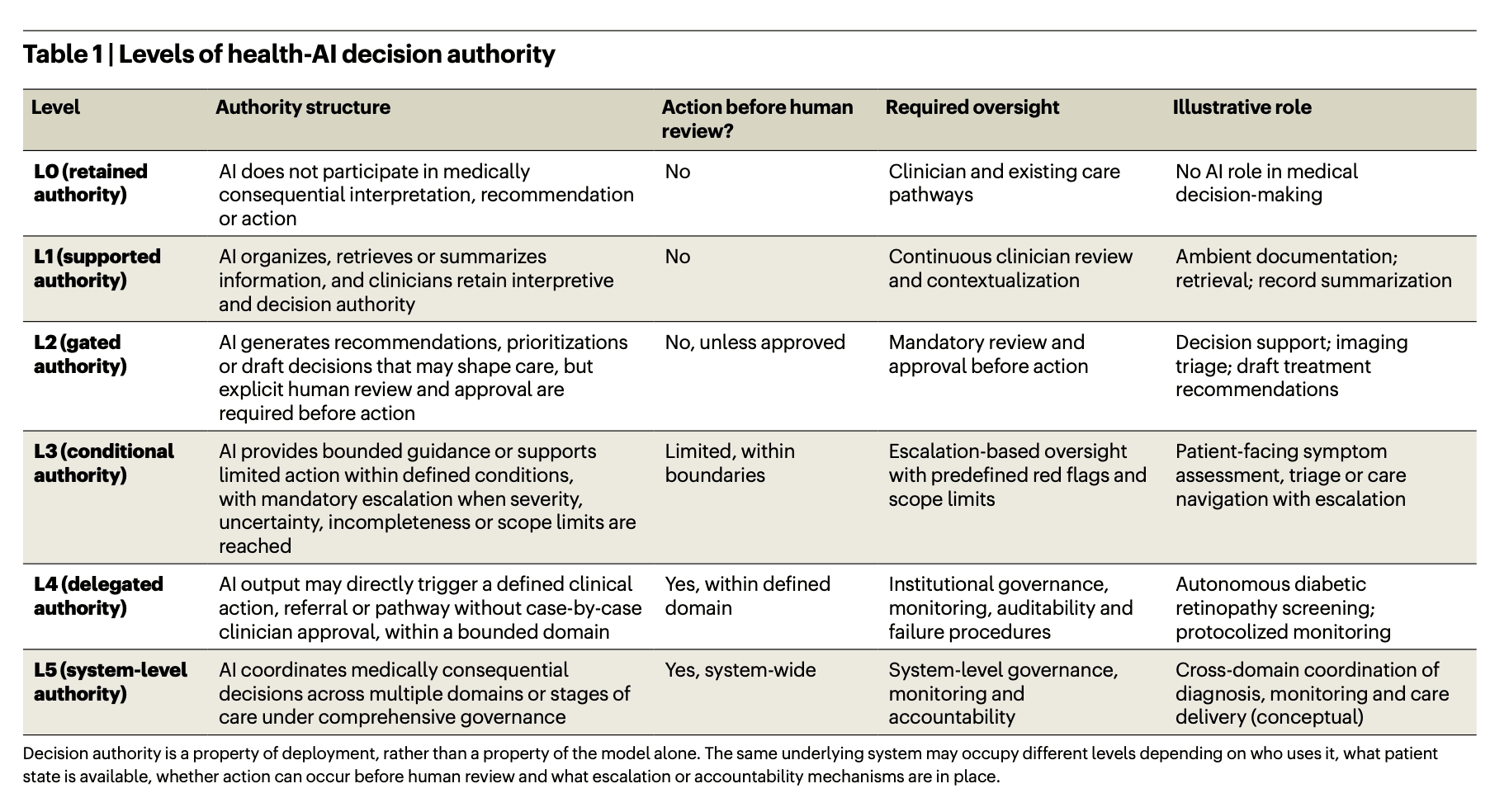
First and corresponding author. With Eric J. Topol, introduces decision authority as a framework for evaluating and governing health AI according to how strongly a system can shape individual health trajectories.
AI · HEALTH · SCIENCE
Yu (Aiden) Gu · 顾禹
Where models meet real-world meaning.Building intelligence for health, science, and beyond.
Large language models Multimodal intelligence Reasoning Agents

Hi, I'm Yu Gu
(also Aiden Gu; Chinese: 顾禹).
I currently lead work at ByteDance on large-scale consumer AI deployment. Previously Principal Scientist at Microsoft Research and Health & Life Sciences, where I led enterprise AI research and deployment.
My work appears in science/medicine journals (Nature/Cell/Nature Medicine, etc.) and AI conferences (ICML/NeurIPS/ICLR/CVPR, etc.). I serve as area chair for major AI conferences (ICML/NeurIPS, etc.).
Selected highlights from recent research.

First and corresponding author. With Eric J. Topol, introduces decision authority as a framework for evaluating and governing health AI according to how strongly a system can shape individual health trajectories.

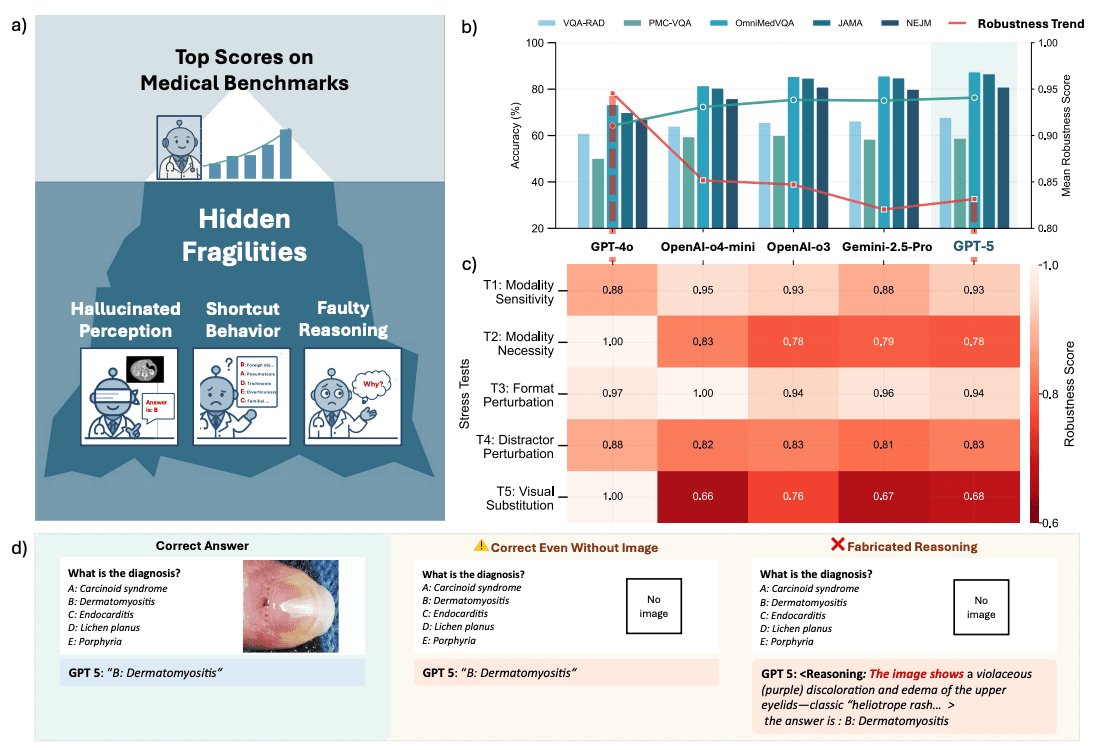
First and corresponding author. With Eric J. Topol and collaborators, led adversarial stress tests that reveal substantial gaps between benchmark scores and the robustness evidence required for health AI applications.

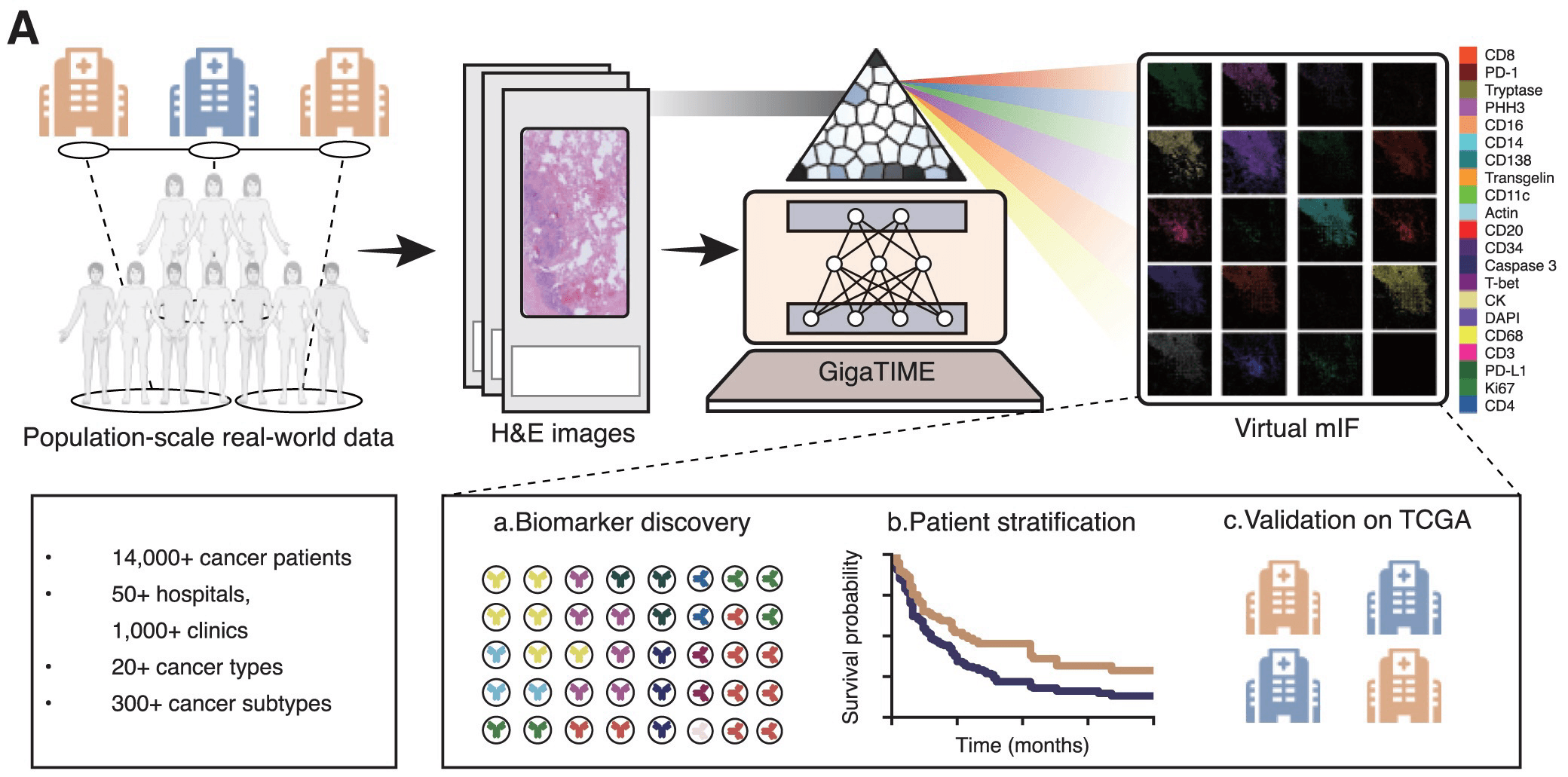
Introduces GigaTIME, a multimodal AI framework trained on 40 million cells and applied to 14,256 patients to enable population-scale tumor microenvironment modeling across 24 cancer types.


Research papers, conference proceedings, and scholarly contributions.
Gu, Yu, Topol, Eric J.
Nature Medicine (2026)
Research Briefing accompanying the Nature Medicine study on robustness and readiness of frontier models in health AI applications.
DOI: 10.1038/s41591-026-04500-9
Liu, Shengyuan, Jiang, Jia-Xuan, ... Yuan, Yixuan
arXiv arXiv:2607.10522 (2026)
Introduces AMID, an autonomous multi-agent framework for auditable medical imaging model development across diverse modalities and prediction tasks.
Qianchu Liu, Sheng Zhang, ... Hoifung Poon
arXiv (2026)
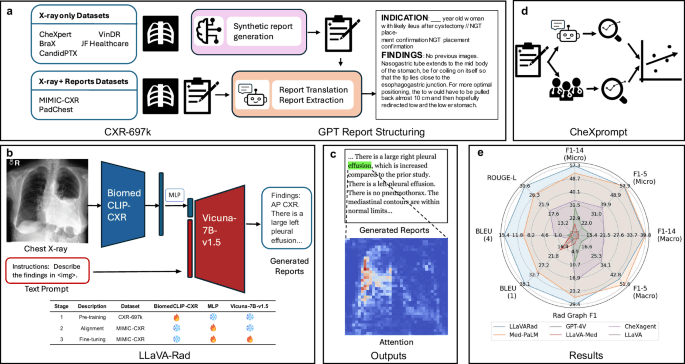
Introduces UniRG, a multimodal reinforcement learning framework for clinically faithful medical imaging report generation that achieved the top overall position on the ReXrank benchmark at release.
Valanarasu, Jeya Maria Jose, Xu, Hanwen, ... et al.
Cell (2026)
Introduces GigaTIME, a multimodal AI framework trained on 40 million cells and applied to 14,256 patients to enable population-scale tumor microenvironment modeling across 24 cancer types.
DOI: 10.1016/j.cell.2025.11.016
Chen, Qi, Ding, Shuhan, ... Fu, Jingjing
ICML (2026)
Uses frozen foundation variational autoencoders as a unified interface for scalable 3D CT reconstruction, augmentation, and generation.
Press features, interviews, and notable mentions from industry leaders.
Coverage of the Nature Medicine study led by Yu Gu and Hoifung Poon, examining why strong benchmark scores do not establish clinical readiness.
A feature on GigaTIME and its use of routine pathology slides to reveal otherwise invisible immune activity within tumors.
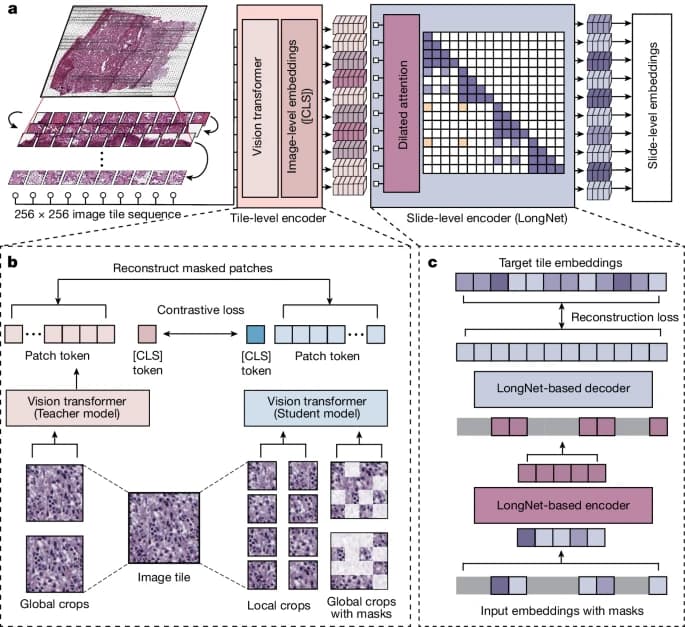
Industry coverage of Prov-GigaPath, its large-scale real-world pathology training data, and the model's Nature publication.
Active research directions and ongoing work.
Building and adapting domain-specific LLMs for biomedical NLP and real-world healthcare tasks, including pretraining, fine-tuning, and evaluation.
Publications:
Designing and stress-testing vision-language foundation models across medical imaging and multimodal benchmarks at scale.
Publications:
Advancing generalizable reasoning across modalities and domains, and targeted distillation for robust information extraction.
Publications:
Developing multimodal AI agents and workflows that orchestrate tools and reasoning to act in complex real-world settings.
Publications:
Models, teams, and a dream — often in that order.